How Belizean farmers are protecting forests and livestock
Across Belize’s southern districts, cattle farmers are rethinking how they manage their land. Faced with harsher dry seasons and declining pasture productivity, many are turning to new practices that protect the forests they depend on. Among the most promising is silvopastoral systems – an approach that integrates trees, plants and livestock on the same land to create resilient, climate-smart pastures. In tropical forest regions like Belize, this approach helps maintain ecological balance while providing reliable grazing for cattle that many families depend on for food and income.
Agriculture and food production contribute 35 percent of Belize’s national GDP. The country’s south—particularly the Toledo District—hosts one quarter of Belize’s farms and has the highest concentration of smallholder farmers, with around three quarters cultivating less than 20 acres.
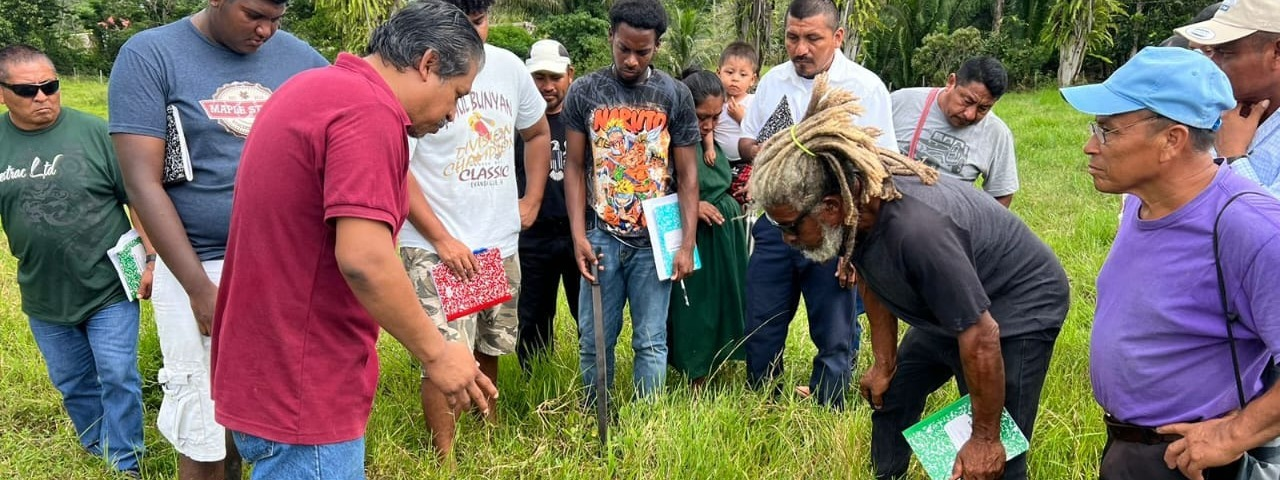
To support these farmers, the Belize Livestock Producers Association (BLPA) is working in the Toledo and Stann Creek Districts to promote innovative and regenerative farming methods. With support from the UNDP-Adaptation Fund Climate Innovation Accelerator (AFCIA), the association introduced silvopastoral systems—an important shift away from the traditional milpa system, where grazing land was often created through slash-and-burn clearing.